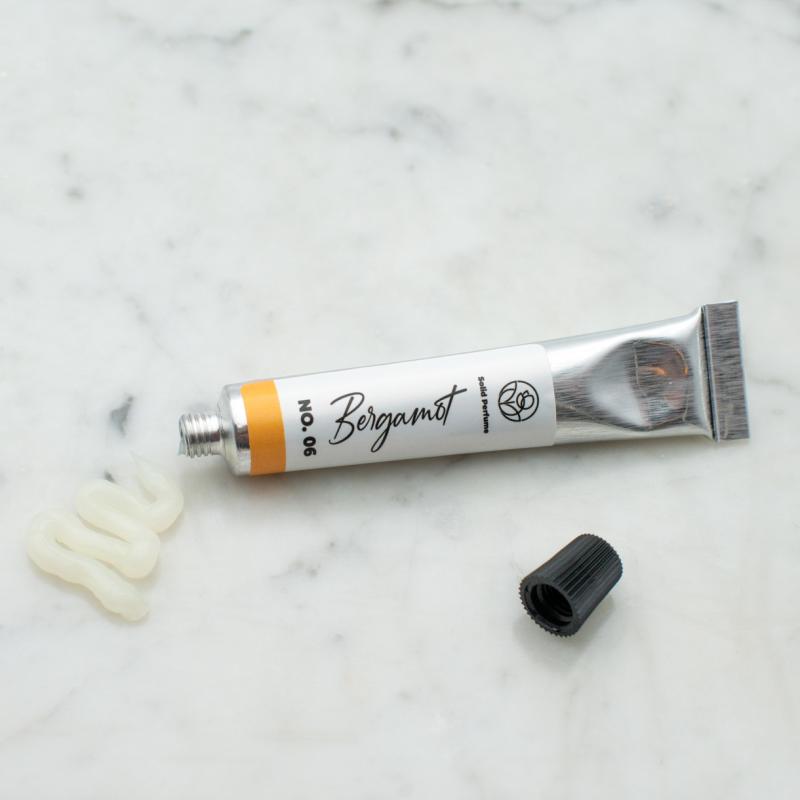
Bergamot - Solid perfume
arrow_backTo the overviewCOMMON NAMES: Bergamot, Bergamot orange
FRAGRANCE DESCRIPTION:
Known for its sweet freshness, a lovely rich top note, especially in Eau de Cologne / unisex types, that gives an initial fresh scent impression. It is very light and tangy with crisp green notes and a very faint floral undertone.
FAMILY:
Citrus
AROMATHERAPEUTIC EFFECTS:
Bergamot Essential Oil is said to be deeply relaxing, restorative and calming. This essential oil is very pleasant, and is said to be able to help eliminate feelings of anger or frustration. Bergamot oil is one of the best oils when looking to support a good night's sleep and help deal with any situational anxiety naturally.
CULTURAL SIGNIFICANCE:
The first "historical" user of perfume that we know of is the Sicilian confectioner Procopio, who with his "bergamot water" managed to perfume the entire Palace of Versailles in the 1600s, which at that time lacked toilets. The Sun King Louis XIV rewarded him with the permission to operate his pastry shop in the Paris meeting place that still bears his name, "Procope". Located in the heart of Saint-Germain des Prés, you can taste his famous bergamot sorbet. In Calabria, the extraction of bergamot essential oil dates back to the end of the 18th century, and since then international perfume manufacturers have used it as an essential raw material.
Bergamot has nothing to do with the city of Bergamo. It also seems unlikely that the name comes from Berga, modern-day Barcelona, or from Pergamon, in ancient Troy. The most likely etymology is "Begarmundi", a Turkish word meaning "lord's pear tree", due to the fact that the shape of the fruit resembles the bergamot pear.
PLANT PARTS USED:
The peels.
FCF (furanocoumarin-free) is an acronym used to indicate that the chemical compounds responsible for extreme skin sensitization to sunlight have been removed.
EXTRACTION METHOD:
Cold-pressed and vacuum-distilled essential oil
ORIGIN:
Italy
PLANT:
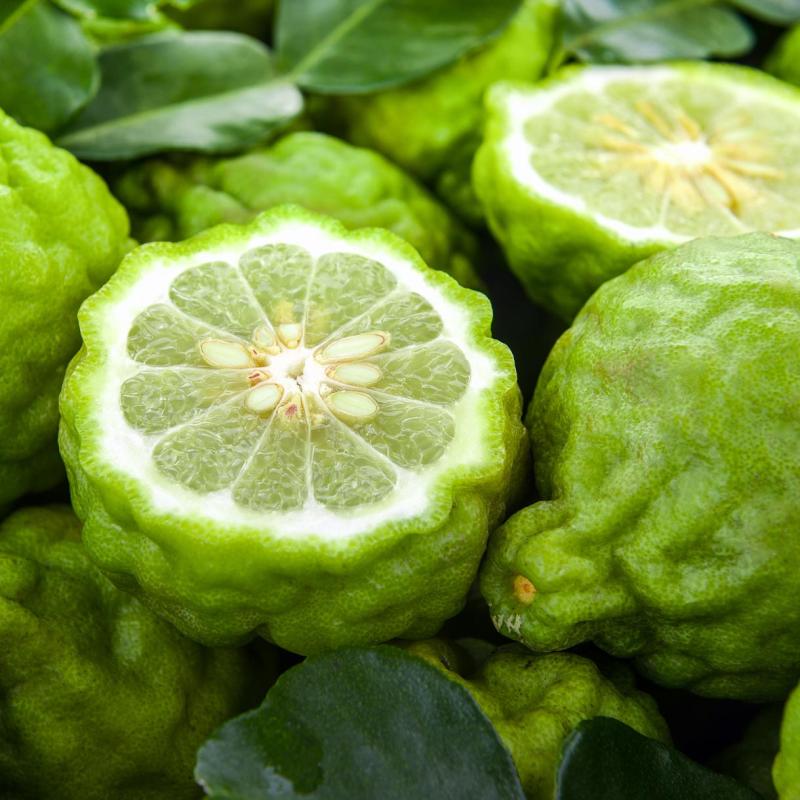
The Citrus aurantium var. bergamia tree produces small, somewhat bitter pear-shaped fruits, the peel of which is pressed for their aromatic oil. Trees were later cultivated in the Calabria region of southern Italy, which now produces approximately 90% of the world's consumption of Bergamot oil.




This product is added by:
Single Flowers Perfume
Single Flowers is a natural and environmentally conscious perfume in a new, creative and more personal way. Single Flowers is a Danish-produced perfume collection of 40 different perfumes so far, in cream form, which can be mixed, blended or layered directly on the skin. Our concept is basically about transparency and a love for natural perfume, perfume ingredients and compositions. We want people to take perfume personally, know ingredienses and create their own unique perfume blends or simply see the beauty of wearing a single flower as a perfume.
See profile